
Who's Holding the Compass
Grief taught me what matters. Photography taught me to see. Business taught me to build. Loss taught me to choose. And Game On is where all four became a single way of walking through the world — not just for me, but for every woman who was ever told she was too much.
Five books. Three Amazon international #1s. And a fifth on the way — the one the rest is building toward.
I built it out of my own life.
For most of my life, I was the woman I've been describing to you. Too much. Too loud. Too capable, too intense, too here — apologizing for all of it, so constantly and so quietly that I'd stopped hearing myself do it.
I'm also a photographer. Twenty-plus years behind a camera, and a career spent learning to see. Which turned out to matter more than I knew — because seeing is the whole thing. It just took me a long time, and the hardest loss of my life, to turn the lens around.
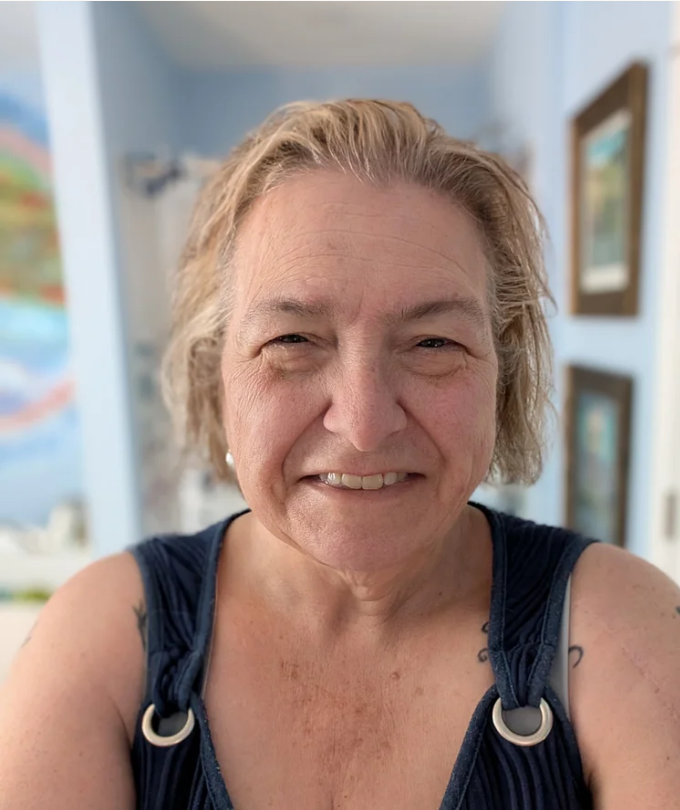
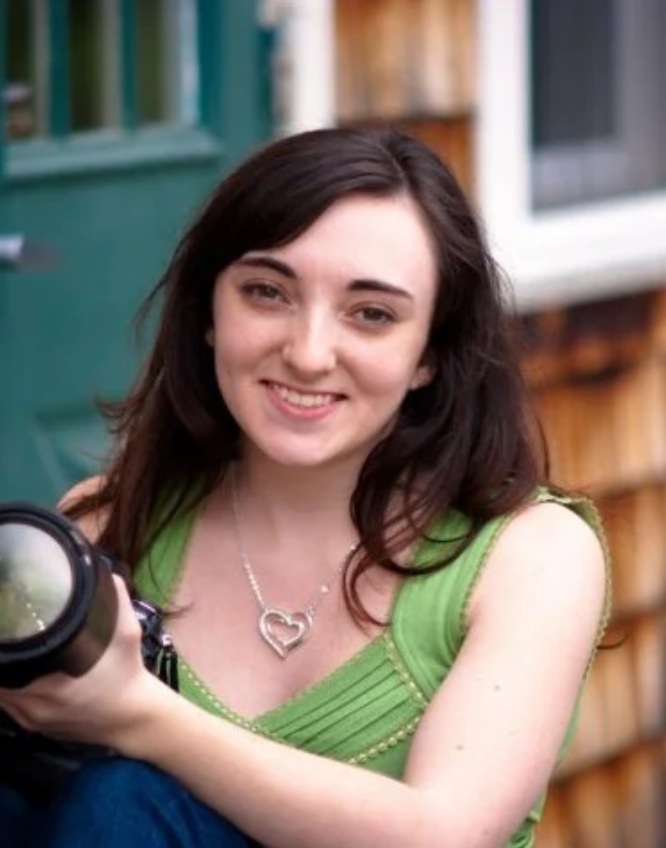
Her name was Lindsay.
She was my firstborn, and my partner behind the camera — photography was as much hers as it was mine. And she got sick, fast and out of nowhere, the way the worst things come.
Near the end, in a hospital room in Boston where the whole world narrows to a bed and a window and the sound of the machines, she looked at me. Her eyes were closed. And out of everything she could have said, with what little she had left, she said:
"Mom, you are so beautiful. Don't let anyone ever tell you that you are not."
She wasn't talking about my face.
She was a dying woman refusing, with her last strength, the thing I had believed about myself my entire life. She had spent her whole life watching me apologize for taking up space — and she used some of her final words to tell me the apology was a lie. That I was beautiful. That the ones who taught me otherwise were wrong.
I didn't understand yet what she'd handed me. It took years. But that was the moment I first became worthy of laying an apology down — because the realest person who ever loved me had just told me, eyes closed, that I never owed one.
It became a series of last apologies.
I didn't have the words for it then. I do now.
That was the first one — the deepest one. Losing her was where I stopped, without knowing that's what I was doing, apologizing for the woman I actually am. And then, over the years that followed, came all the others. Each one another thing I laid down. Each one another reflection I stopped running toward. Each one another sorry I finally heard myself saying — and stopped.
It wasn't grief that shattered the old mirrors. It was Lindsay's truth. Losing her didn't put my fire out. Losing her — and the last true thing she ever gave me — is what lit it.
That's what The Last Apology is. It isn't a program I designed and then went looking for people to sell. It's the map of a road I already walked — drawn so you don't have to find it in the dark the way I did.
I'm not handing you anything I haven't walked myself.
I won't sell you a fairy tale. Not once. There's no after photo where I'm finished and fixed and permanently at peace, because that woman doesn't exist, and neither does yours — and being sold her is half of what wore you out to begin with.
What I have is this: two decades of learning to see, a framework struck in the worst fire of my life, and a daughter's last words that turned out to be the first line of everything I do now.
I hold two truths at the same time. I lost her and I found myself.
If I only ever get to say one thing to you —
one thing, and nothing else — let it be the thing she gave me:
You are soul beautiful.
Don't let anyone ever tell you that you are not.
She was right.
And she wasn't only talking to me.